กลยุทธ์การใช้สื่อประชาสัมพันธ์ในประเทศจีน: กรณีศึกษาจาก CHENGDU PLUS
Article Sidebar
Main Article Content
บทคัดย่อ
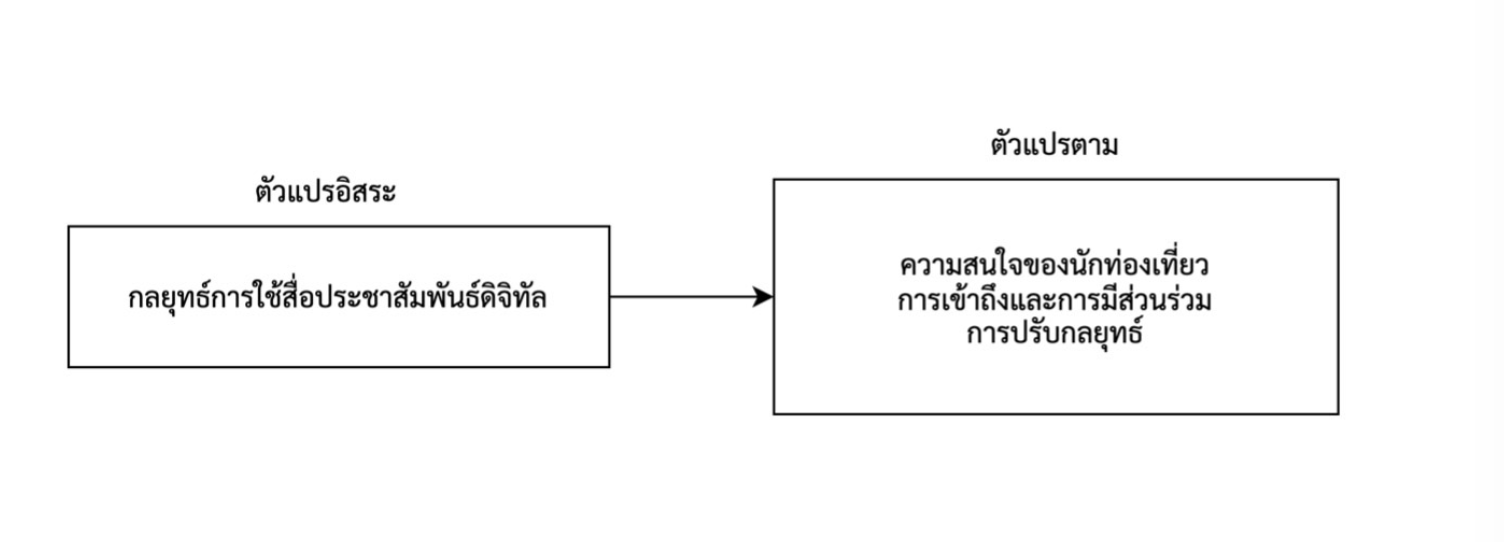
บทนำ: การท่องเที่ยวเป็นอุตสาหกรรมสำคัญที่ส่งผลต่อเศรษฐกิจและภาพลักษณ์ของประเทศการใช้สื่อประชาสัมพันธ์โดยเฉพาะสื่อออนไลน์มีบทบาทสำคัญในการดึงดูดนักท่องเที่ยว เมืองเฉิงตูเป็นตัวอย่างที่น่าสนใจในการใช้สื่อประชาสัมพันธ์ในประเทศจีนผ่านแพลตฟอร์มดิจิทัล เช่น Chengdu Plus ซึ่งได้รับความนิยมทั้งในจีนและระดับสากล วัตถุประสงค์ของการวิจัย: 1) เพื่อศึกษากลยุทธ์การใช้สื่อประชาสัมพันธ์ของ Chengdu Plus และ 2) เพื่อวิเคราะห์ผลตอบรับของกลุ่มผู้ชมทั้งชาวจีนและชาวต่างชาติ ระเบียบวิธีวิจัย: เป็นการวิจัยเชิงคุณภาพเก็บข้อมูลดำเนินการโดยใช้การสัมภาษณ์เชิงลึกแบบกึ่งโครงสร้าง กับกลุ่มตัวอย่าง 3 กลุ่ม ได้แก่ 1) ผู้เกี่ยวข้องกับ Chengdu Plus 2) ผู้ชมชาวจีน และ 3) ผู้ชมชาวต่างชาติ รวมทั้งหมด 30 คน นอกจากนี้ ผู้วิจัยยังทำการวิเคราะห์เนื้อหาวิดีโอ ที่เผยแพร่ผ่านช่องทางออนไลน์เพื่อประเมินรูปแบบและประสิทธิภาพของเนื้อหาใช้ และใช้การตรวจสอบความถูกต้องของข้อมูล (triangulation) โดยเปรียบเทียบผลการสัมภาษณ์กับเนื้อหาวิดีโอและข้อมูลรองจากแหล่งสาธารณะ ผลการวิจัย: พบว่า Chengdu Plus ใช้กลยุทธ์การเล่าเรื่องและเทคนิคการผลิตวิดีโอที่สร้างสรรค์เพื่อดึงดูดผู้ชม โดยเน้นการนำเสนอวัฒนธรรม สถานที่ท่องเที่ยว และวิถีชีวิตของเมืองเฉิงตู ผู้ชมชาวจีนสนใจวิดีโอที่เกี่ยวข้องกับวัฒนธรรมและการพัฒนาเมือง ขณะที่ผู้ชมชาวต่างชาติให้ความสนใจกับวิดีโอเชิงท่องเที่ยวและการใช้ชีวิตในเฉิงตู กลยุทธ์ของ Chengdu Plus มีประสิทธิภาพในการประชาสัมพันธ์เมืองเฉิงตูและสร้างการรับรู้ในระดับสากล สรุป: แนวทางดังกล่าวสามารถนำมาประยุกต์ใช้กับการประชาสัมพันธ์การท่องเที่ยวในประเทศไทยเพื่อเพิ่มศักยภาพด้านการดึงดูดนักท่องเที่ยวและส่งเสริมเศรษฐกิจของประเทศ
Downloads
Article Details
เอกสารอ้างอิง
Anholt, S. (2007). Competitive identity: The new brand management for nations, cities and regions. Palgrave Macmillan.
Aristono, T., Sugiyanto, S., & Syaifullah, R. (2021). The representation of the city branding of “kampung pesilat indonesia” as sports tourism in the madiun regency. International Journal of Social Sciences and Humanities Invention, 8(9), 6534 - 6541. https://doi.org/10.18535/ijsshi/v8i09.01
Berto, A. R., Putranto, T. D., Wahyu, A. Y. M., & Kurniawan, B. K. (2023). The effect of using storytelling on destination image is influenced by experience. Mediator: Jurnal Komunikasi, 16(2), 264 - 275. https://doi.org/10.29313/mediator.v16i2.2162
Berto, F., et al. (2023). Storytelling and tourism promotion: Engaging international audiences through creative content. Journal of Tourism Studies, 45(2), 123 - 140.
Boulding, K. E. (1956). The image: Knowledge in life and society. University of Michigan Press.
Chengdu Radio & Television. (2024). Chengdu Plus Telling Chengdu's story well. Tencent News. https://news.qq.com/rain/a/20240806A05ATT00
Chowdhury, D. R. (2015). Between the lines. China Report, 51(3), 169 - 203. https://doi.org/10.1177/0009445515587398
Dameri, R. P. (2017). Smart city implementation: Creating economic and public value in innovative urban systems. Springer.
Deng, D. S., Seo, S., Li, Z., & Austin, E. W. (2022). What people tiktok (douyin) about influencer-endorsed short videos on wine? An exploration of gender and generational differences. Journal of Hospitality and Tourism Technology, 13(4), 683 - 698. https://doi.org/10.1108/JHTT-05-2021-0143
Dimanche, F. (1993). Tourism promotion and destination marketing. Cognizant Communications.
Green, A., Grace, D., & Perkins, H. (2016). City branding research and practice: An integrative review. Journal of Brand Management, 23(3), 252 - 272. https://doi.org/10.1057/bm.2016.8
Grunig, J. E., & Hunt, T. (1984). Managing public relations. Holt, Rinehart and Winston.
Hamouda, M. (2018). Understanding social media advertising effect on consumers’ responses. Journal of Enterprise Information Management, 31(3), 426 - 445. https://doi.org/10.1108/JEIM-07-2017-0101
Kaushik, A. (2010). Web analytics 2.0: The art of online accountability and science of customer centricity. John Wiley & Sons.
Li, C., & Bernoff, J. (2011). Groundswell: Winning in a world transformed by social technologies. Harvard Business Press.
Liu, H., Li, X., & Cohen, S. A. (2023). Is travel bragging in the eye of the beholder? Bragger and audience perspectives. International Journal of Tourism Research, 25(5), 475 - 490.
Marr, B. (2016). Big data in practice: How 45 successful companies used big data analytics to deliver extraordinary results. John Wiley & Sons.
Mathew, V., & Soliman, M. (2020). Does digital content marketing affect tourism consumer behavior? An extension of technology acceptance model. Journal of Consumer Behaviour, 20(1), 61 - 75. https://doi.org/10.1002/cb.1854
Perego, A., et al. (2016). Multilingual subtitling in audiovisual media and its impact on audience engagement. International Journal of Communication, 10(1), 2500 - 2518. https://doi.org/10.
Perego, E., Laskowska, M., Matamala, A., Remael, A., Robert, I., Szarkowska, A., & Bottiroli, S. (2016). Is subtitling equally effective everywhere? A first cross-national study on the reception of interlingually subtitled messages. Across Languages and Cultures, 17(2), 205 - 229. https://doi.org/10.1556/084.2016.17.2.4
Ram, J., & Xu, D. (2019). Live streaming video e-commerce: Examining the operational strategies. Journal Européen Des Systèmes Automatisés, 52(1), 1 - 9. https://doi.org/10.18280/jesa.520101
Statista. (2024). China: Tourism industry revenue 2023. https://www.statista.com/statistics/236040/revenue-from-tourism-in-china/
Tambe, A., & Friedman, T. (2022). Chinese state media Facebook ads are linked to changes in news coverage of China worldwide. Harvard Kennedy School Misinformation Review. https://doi.org/10.37016/mr-2020-88
UNESCO. (2010). Chengdu: UNESCO city of gastronomy. https://unesdoc.unesco.org/ark:/48223/pf00001
Zhang, T., Liu, S., & Wang, Y. (2020). A comparative study of digital PR strategies between Chinese and international cities. International Public Relations Review, 35(2), 112 - 130.
