
การเมืองเรื่องการปะทะกับความคิดทางการเมือง: การเปรียบเทียบแนวคิดเรื่องการเมืองกับความเป็นการเมือง ในงานศึกษาของฮานนา อาเร็นดท์ กับซิดนีย์ แทวโรว์ และชาลล์ ทิลลี่
Article Sidebar
Main Article Content
บทคัดย่อ
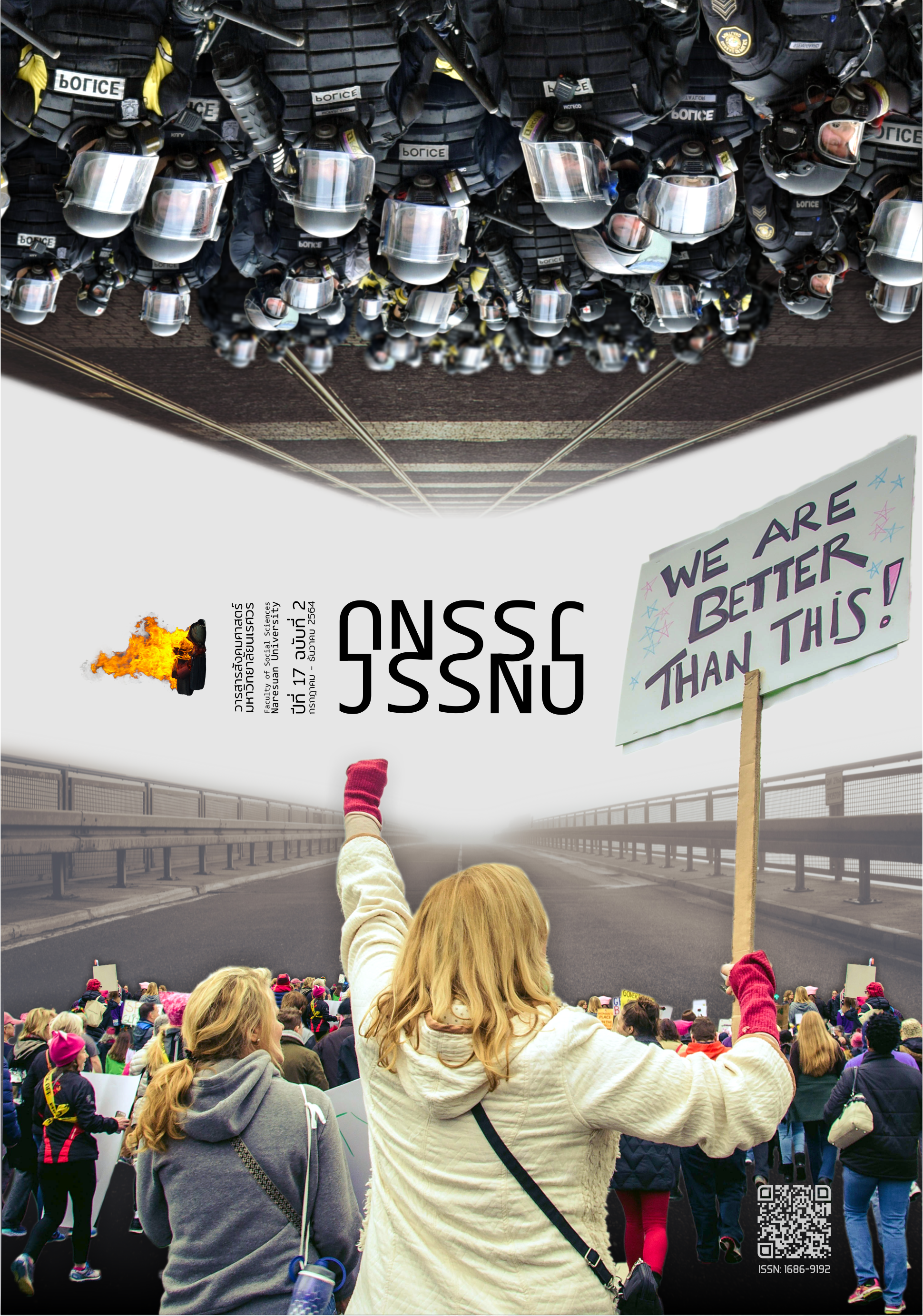
บทความเรื่องนี้นำเสนอความเข้าใจเชิงเปรียบเทียบต่อมโนทัศน์เรื่องการปะทะทางการเมืองในมุมมองที่เหมือนแลแตกต่างกันระหว่างแนวคิดเรื่องความรุนแรงทางการเมือง การปฏิวัติ และอารยะขัดขืน ในงานของ ฮานนา อาเร็นดท์ และแนวคิดเรื่องการปะทะทางการเมืองของกลุ่มนักวิชาการทางรัฐศาสตร์เชิงโครงสร้างอย่าง ซิดนีย์ แทวโรว์ และ ชาลล์ ทิลลี่ ผลการศึกษาพบว่า การศึกษาเปรียบเทียบมุมมองของนักทฤษฎีการเมือง ดังกล่าว แสดงให้เห็นถึงความสัมพันธ์ระหว่างมโนทัศน์เรื่องการปะทะทางการเมือง และมโนทัศน์เรื่องความเป็นการเมือง ที่แตกต่างกันของกลุ่มนักคิดทั้ง 2 กลุ่ม โดยมโนทัศน์ต่าง ๆ ของอาเร็นดท์ ได้แก่ ความรุนแรงทางการเมือง การปฏิวัติ และอารยะขัดขืน มีความแตกต่างกันในแง่ของการจัดวางมโนทัศน์ต่าง ๆ ให้อยู่ภายในหรือภายนอกพื้นที่ทางการเมือง กล่าวคือ มโนทัศน์เรื่องความรุนแรงทางการเมือง เป็นสิ่งที่อาเร็นดท์จัดให้อยู่ตรงข้ามกับแนวคิดเรื่องการเมือง เนื่องจากการใช้ความรุนแรงทางการเมืองจะนำมาซึ่งการปิดกั้นไม่ให้มีการแสดงออกและการสนทนาในประเด็นสาธารณะอย่างเสรี สำหรับมุมมองเรื่องการปฏิวัติ และอารยะขัดขืน อาเร็นดท์สนับสนุนการเปิดพื้นที่ภายในวงขอบของการเมือง เพื่อให้ผู้คนที่แตกต่างหลากหลายมาดำเนินกิจกรรมร่วมกัน ในขณะที่มุมมองของนักรัฐศาสตร์ เชิงโครงสร้าง แสดงให้เห็นถึงความสัมพันธ์ระหว่างการปะทะ การกระทำรวมหมู่ และการเมือง โดยมุ่งเน้นไปที่เป้าหมายในการแสดงให้เห็นความไม่ต่อเนื่องทางการเมือง นอกจากนี้ ความสัมพันธ์ระหว่างการปะทะทางการเมืองกับแนวคิดเรื่องการเมือง ยังเผยให้เห็นถึงมโนทัศน์ของนักคิดทางการเมืองอื่น ๆ ที่แตกต่างกันออกไปด้วย
Downloads
Article Details
เอกสารอ้างอิง
Akarapattananukul, Y. (2020). Sovereignty and political theology: From Plato’s theory of forms to Augustine’s idea of the will of god. Journal of Social Sciences, Naresuan University, 16(1), 1-19. https://doi.org/10.14456/jssnu.2020.1 [in Thai].
Agamben, G. (1995) We refugees. Symposium: A Quarterly Journal in Modern Literatures, 49(2), 114–119.
Arendt, H. (1958). The human condition. Chicago: The University of Chicago Press.
Arendt, H. (1963). Eichmann in Jerusalem: A report on the banality of evil. London: Penguin.
Arendt, H. (1969). On violence. New York: Harcourt.
Arendt, H. (1972). Crises of the republic. London: A Harvest Book.
Arendt, H. (1976). The origins of totalitarianism. New York: Harvest Book.
Arendt, H. (1994). Essays in understanding: 1930-1954: Formation, exile, and totalitarianism. New York: Schocken.
Arendt, H. (2005). Introduction into politics. In J. Kohn (Ed.), The promise of politics (pp. 93 – 200). New York: Schocken Books.
Arendt, H. (2006). On revolution. London: Penguin.
Baum, D., Bygrave, S., & Morton, S. (2011) Hannah Arendt ‘after modernity’. New Formation, 71(1), 6–13.
Dillinger, J. (2015). Tyrannicide from ancient Greece and Rome to the crisis of the Seventeenth century. In R. D. Law (Ed.), The Routledge History of Terrorism (pp. 15 – 27). Abingdon: Routledge.
Duarte, A. (2007). Hannah Arendt, biopolitics, and the problem of violence: From animal Labourans to Homo Sacer. In R. H. King & D. Stone (Eds.), Hannah Arendt and the uses of history: Imperialism, nation, race, and genocide (pp. 21–37). New York: Berghahn Books.
Greenberg, M. (2007). Concerning Hannah Arendt: She knew she was right. The Yale Review, 95(1), 74–100.
Hanagan, M., Moch, M., & Brake, W. (1998). Challenging authority: The historical study of contentious politics. In M. Hannagan, M. Moch, & W. Brake (Eds.), Challenging authority (pp. ix–xxix). Minneapolis: University of Minnesota Press.
Khompot, S. (2020). Politics of recognition: The social theory of Axel Honneth. Journal of Social Sciences, Naresuan University, 16(1), 85-118. https://doi.org/10.14456/jssnu.2020.4 [in Thai].
McAdam, D. (1982). Political process and the development of black insurgency, 1930-1970. Chicago: University of Chicago Press.
Mouffe, C. (2007). Artistic activism and agonistic spaces. Art and Research: A journal of Ideas, Contexts and Methods, 1(2), 1–5.
Moruzz, N. C. (2000). Speaking through the mask: Hannah Arendt and the politics of social identity. Ithaca: Cornell University Press.
Tarrow, S. (2013). Contentious politics. In D. A. Snow, D. D. Porta, B. Klandermans, & D. McAdam (Eds.), The Wiley-Blackwell encyclopedia of social and political movements (pp. 1–4). Oxford: Blackwell.
Tarrow, S., & Tilly, C. (2007). Contentious politics and social movements. In C. Boix & S. C. Stokes (Eds.), The Oxford handbook of comparative politics (pp. 435–460). Oxford: Oxford University Press.
Tilly, C. (2003a). The politics of collective violence. Cambridge studies in contentious politics. Cambridge: Cambridge University Press.
Tilly, C. (2003b). Large-scale violence as contentious politics. In W. Heitmeyer & J. Hagan (Eds.), International handbook of violence research (pp. 437–458). New York: Kluwer Academic Publishers.
Tilly, C., & Tarrow, S. (2015). Contentious politics. Oxford: Oxford University Press.
