การพัฒนามโนมติทางวิทยาศาสตร์เรื่องระบบนิเวศและพันธุกรรม ของนักเรียนชั้นมัธยมศึกษาปีที่ 3 โดยการจัดการเรียนรู้แบบสืบเสาะ 5 ขั้น ร่วมกับอินโฟกราฟิก
Article Sidebar
Main Article Content
บทคัดย่อ
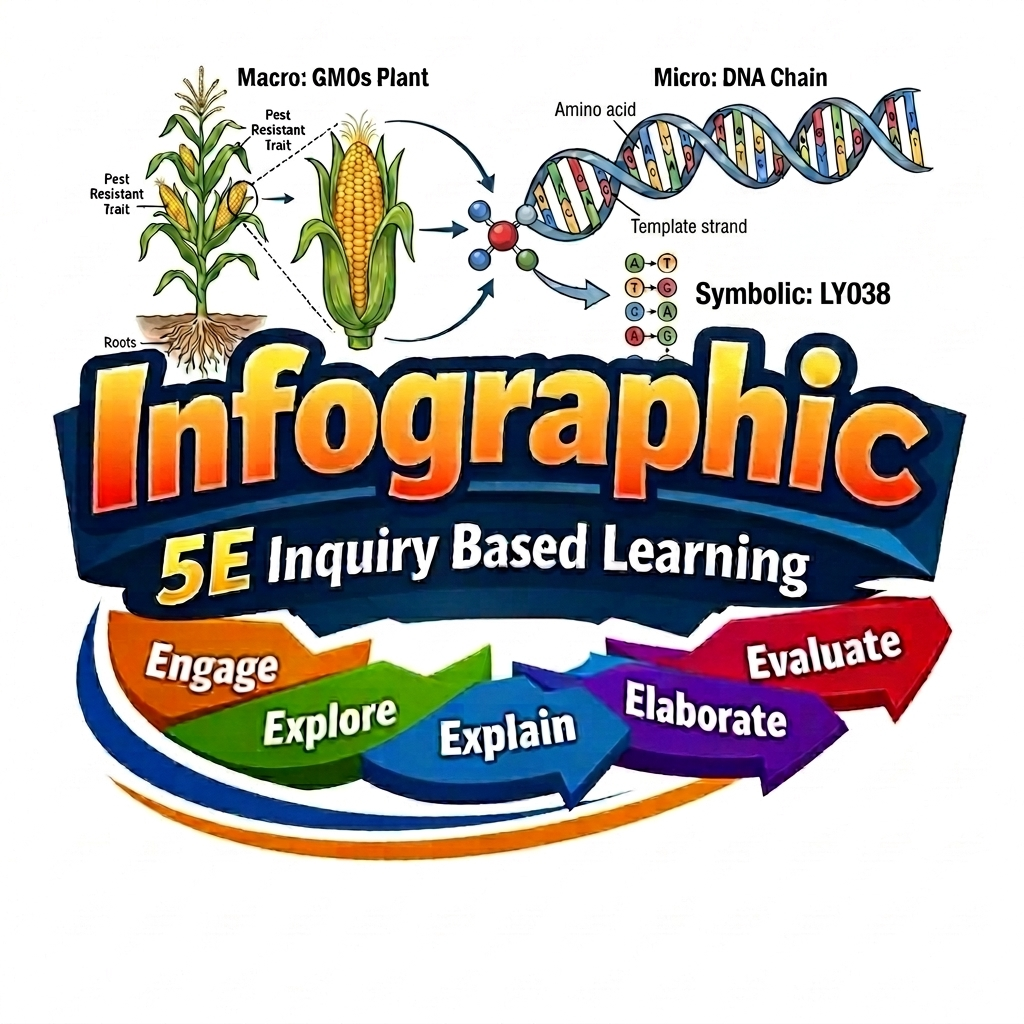
การวิจัยนี้มีจุดประสงค์ ดังนี้ 1) เพื่อศึกษาการใช้สื่ออินโฟกราฟิกสำหรับจัดการเรียนรู้แบบสืบเสาะ 5 ขั้น และ 2) เพื่อพัฒนามโนมติทางวิทยาศาสตร์เรื่องความสัมพันธ์สิ่งมีชีวิตในระบบนิเวศ สายใยอาหาร และสิ่งมีชีวิตดัดแปรพันธุกรรม ของนักเรียนชั้นมัธยมศึกษาปีที่ 3 โดยเปรียบเทียบความก้าวหน้าทางการเรียนรู้จากคะแนนเต็มแบบทดสอบก่อนและหลังเรียน กลุ่มตัวอย่างวิจัยนี้ ได้แก่ นักเรียนชั้นมัธยมศึกษาปีที่ 3 ภาคเรียนที่ 1 ปีการศึกษา 2568 โรงเรียนแห่งหนึ่งในจังหวัดนครราชสีมา จำนวน 38 คน โดยเลือกกลุ่มตัวอย่างแบบเจาะจง แผนการวิจัยแบบก่อนทดลองโดยใช้กลุ่มตัวอย่างกลุ่มเดียว ทดสอบก่อนและหลังการทดลอง เครื่องมือวิจัย ได้แก่ 1) แผนการจัดการเรียนรู้แบบสืบเสาะ 5 ขั้น จำนวน 3 แผน 2) ใบงานอินโฟกราฟิก 3) แบบประเมินอินโฟกราฟิก และ 4) แบบทดสอบก่อนเรียน-หลังเรียน การวิเคราะห์ทางสถิติ ได้แก่ ค่าเฉลี่ย ส่วนเบี่ยงเบนมาตรฐาน ร้อยละ ค่าดัชนีประสิทธิผล และการทดสอบที ผลการวิจัย พบว่า ค่าดัชนีประสิทธิผลของการเรียนรู้เรื่องความสัมพันธ์สิ่งมีชีวิตในระบบนิเวศ สายใยอาหาร และสิ่งมีชีวิตดัดแปรพันธุกรรม เท่ากับ 0.7609 0.8898 และ 0.9500 ตามลำดับ คะแนนทดสอบหลังเรียนเท่ากับ 8.84 + 1.08 9.29 + 0.80 และ 9.63 + 0.75 คะแนน (mean + SD, n=38) ตามลำดับ แสดงว่านักเรียนมีความก้าวหน้าทางการเรียนรู้ทั้ง 3 เรื่องมากกว่าร้อยละ 75 และคะแนนทดสอบหลังเรียนสูงกว่าเกณฑ์ร้อยละ 75 ของคะแนนเต็ม อย่างมีนัยสำคัญทางสถิติที่ระดับ .05 ดังนั้น การจัดการเรียนรู้แบบสืบเสาะ 5 ขั้น ร่วมกับอินโฟกราฟิก สามารถพัฒนามโนมติทางวิทยาศาสตร์เรื่องดังกล่าวได้
Article Details

อนุญาตภายใต้เงื่อนไข Creative Commons Attribution-NonCommercial-NoDerivatives 4.0 International License.
วารสารวิทยาศาสตร์และวิทยาศาสตร์ศึกษา (JSSE) เป็นผู้ถือลิสิทธิ์บทความทุกบทความที่เผยแพร่ใน JSSE นี้ ทั้งนี้ ผู้เขียนจะต้องส่งแบบโอนลิขสิทธิ์บทความฉบับที่มีรายมือชื่อของผู้เขียนหลักหรือผู้ที่ได้รับมอบอำนาจแทนผู้เขียนทุกนให้กับ JSSE ก่อนที่บทความจะมีการเผยแพร่ผ่านเว็บไซต์ของวารสาร
แบบโอนลิขสิทธิ์บทความ (Copyright Transfer Form)
ทางวารสาร JSSE ได้กำหนดให้มีการกรอกแบบโอนลิขสิทธิ์บทความให้ครบถ้วนและส่งมายังกองบรรณาธิการในข้อมูลเสริม (supplementary data) พร้อมกับนิพนธ์ต้นฉบับ (manuscript) ที่ส่งมาขอรับการตีพิมพ์ ทั้งนี้ ผู้เขียนหลัก (corresponding authors) หรือผู้รับมอบอำนาจ (ในฐานะตัวแทนของผู้เขียนทุกคน) สามารถดำเนินการโอนลิขสิทธิ์บทความแทนผู้เขียนทั้งหมดได้ ซึ่งสามารถอัพโหลดไฟล์บทความต้นฉบับ (Manuscript) และไฟล์แบบโอนลิขสิทธิ์บทความ (Copyright Transfer Form) ในเมนู “Upload Submission” ดังนี้
1. อัพโหลดไฟล์บทความต้นฉบับ (Manuscript) ในเมนูย่อย Article Component > Article Text
2. อัพโหลดไฟล์แบบโอนลิขสิทธิ์บทความ (Copyright Transfer Form) ในเมนูย่อย Article Component > Other
ดาวน์โหลด ไฟล์แบบโอนลิขสิทธิ์บทความ (Copyright Transfer Form)
เอกสารอ้างอิง
Atsaphai, W. and Choomponla, C. (2024). The effects of 4MAT learning supplemented with learning logs on understanding food nutrients and digestive system concept of grade 6 students (in Thai). Academic Journal of Mahamakut Buddhist University Roi Et Campus, 13(2), 242-254.
Bybee, R., Taylor, J., Gardner, A., Scotter, P., Carlson, J., Westbrook, A. and Landes, N. (2006). The BSCS 5E Instructional Model: Origins, Effectiveness, and Applications. Colorado Springs, Co: BSCS, 5 (88-98).
Chairam, S., Jarujamrus, P. and Amatatongchai, M. (2019). Exploring students’ understanding of solution (in Thai). Journal of Science and Science Education (JSSE), 1(2), 152-161.
Chaluthong, A. and Plangsorn, B. (2024). Infographic teaching material design (in Thai). Journal of Education Khon Kaen University, 43(3), 1-6.
Clark, J. M. and Paivio, A. (1991). Dual coding theory and education. Educational Psychology Review, 3(3), 149-210.
Daengrayub, W. and Nillapun, M. (2025). Development of creative thinking skills with inquiry-based learning and infographic for the eighth grade students (in Thai). Journal of Education, Silpakorn University, 23(1), 299-312.
Kasonsuk, N. (2023). The results of organizing learning using a 7–step inquiry–based learning activity (7E) set using digital technology media that has an effect on analytical thinking skills and academic achievement on the subject, force in daily life; science and technology department of grade 5 (in Thai). Journal of Rajanagarindra, 20(2), 36-52.
Muenchang, S., Sirisawat, C. and Chauvatcharin, N. (2020). The effect of using game – based learning on scientific understanding on genetic inheritance for grade 10 students (in Thai). Journal of Inclusive and Innovative Education, 3(3), 1-13.
Munman, P., Malasri, O., Insumran, Y., Keawmad, P., Charoensopharat, K. and Ratanacherdchai, K. (2025). The study of learning achievement of inquiry-based learning approach combined with the team word-webbing in biology subject on chromosomes and genetic material for mathayomsuksa 4 students (in Thai). Journal of Education Rajabhat Maha Sarakham University, 22(3), 323-329.
Nachanthong, J. (2021). Active learning for heredity using Socio-scientific issues and ICT to promote critical thinking in biology for mathayomsuksa 6 students (in Thai). Journal of Roi Kaensarn Academi, 7(3), 235-251.
Namwong, P. (2022). Developing instructional development of learning management in the biology course on ecosystems and population based on the constructivism theory for the 12th grade students (in Thai). Pitchayatat Journal, 17(2), 143-153.
Nantawong, S., Udom, P. and Vanichanon, A. (2021). Development of conceptual understanding on reproductive system and development using constructivist approach for 11th grade students (in Thai). Journal of Education, Prince of Songkla University, Pattani Campus, 32(1), 137-151.
National Research Council, NRC. (2000). Inquiry and the National Science Education Standards. Washington, DC: National Academy Press.
Nirutmeteekul, N. and Thongdaengjua, A. (2023). Development of scientific concepts using the 5Es inquiry-based instructional model combined with the interactive PhET simulation of grade 10th students (in Thai). Journal of Education Studies Valaya Alongkorn Rajabhat University, 1(1), 39-53.
Rattanakorn, P. and Kaewkhongkha, P. (2021). A study of creativity from inquiry based learning with infographic of Mathayom 4 students (in Thai). Silpakorn Educational Research Journal, 13(2), 67-83.
Sakonthawat, P. and Pabchanda, S. (2021). The development of punctuality for eleventh grade students in chemistry with blended learning based on inquiry, social media, exit ticket and scorecard through lesson design by using professional learning community activity (in Thai). Journal of Science and Science Education, 4(2), 204-216.
Sakonthawat, P. and Pabchanda, S. (2025). Development of data management and scientific interpretation skills of tenth grade students in chemistry subject through 5D active learning management by professional learning community (in Thai). Journal of Science and Science Education, 8(2), 262-274.
Sakunkitphokhanon, N. and Phornphisutthimas, S. (2025). Conceptual development on photosynthesis using Hewson and Hewson’s teaching strategy and Kolb’s experiential learning for upper secondary students (in Thai). STOU Education Journal, 18(1), 59-80.
Suknarusaithagul, N., Faikhamta, C. and Suwanruji, P. (2021). The development of grade 12 students’ representational competence in electrochemical cell through model-based learning (in Thai). Journal of Education Khon Kaen University, 44(2), 84-99.
Tasao, N. and Chamrat, S. (2021). Effect of inquiry learning in-cooperated with the use of infographics on the scientific explanation ability of ethnic group students (in Thai). Journal of Science and Science Education (JSSE), 4(2), 190-203.
Thammabut, T. and Wonganu, P. (2024). The design of learning media to reduce cognitive load using the Split-Attention principle (in Thai). Journal of Information and Learning, 35(2), 170-178.
Thepprasit, R. (2022). The results of using ready-made lessons on title of “Creating media infographic for students in Matthayomsuksa 2”, Science and Technology Department, Sa School, Wiang Sa District, Nan Province (in Thai). Wishing Journal Review, 1(3), 15-26.
Trinnagesgosol, P. and Watchana, U. (2024). A study of grade 11 students' Biology learning achievement on the inheritance of genetic characteristics using science activity sets combined with board games (in Thai). SSRU Academic Journal of Education, 8(2), 35-43.
Vanichvasin, P. (2015). Potentials of using infographics in enhancing the quality of learning (in Thai). Panyapiwat Journal, 7(2), 227-240.
Wichaiyo, B. and Cojorn, K. (2023). The development of scientific concepts and learning achievement in Chemistry on the topic of gas for mathayomsuksa 5 students using model based learning (in Thai). Rajabhat Maha Sarakham University Journal, 17(2), 71-81.
Windschitl, M., Thompson, J. and Braaten, M. (2008). Beyond the scientific method: Model-based inquiry as a new paradigm of preference for school science investigations. Science Education - SCI EDUC, 92, 941-967.
